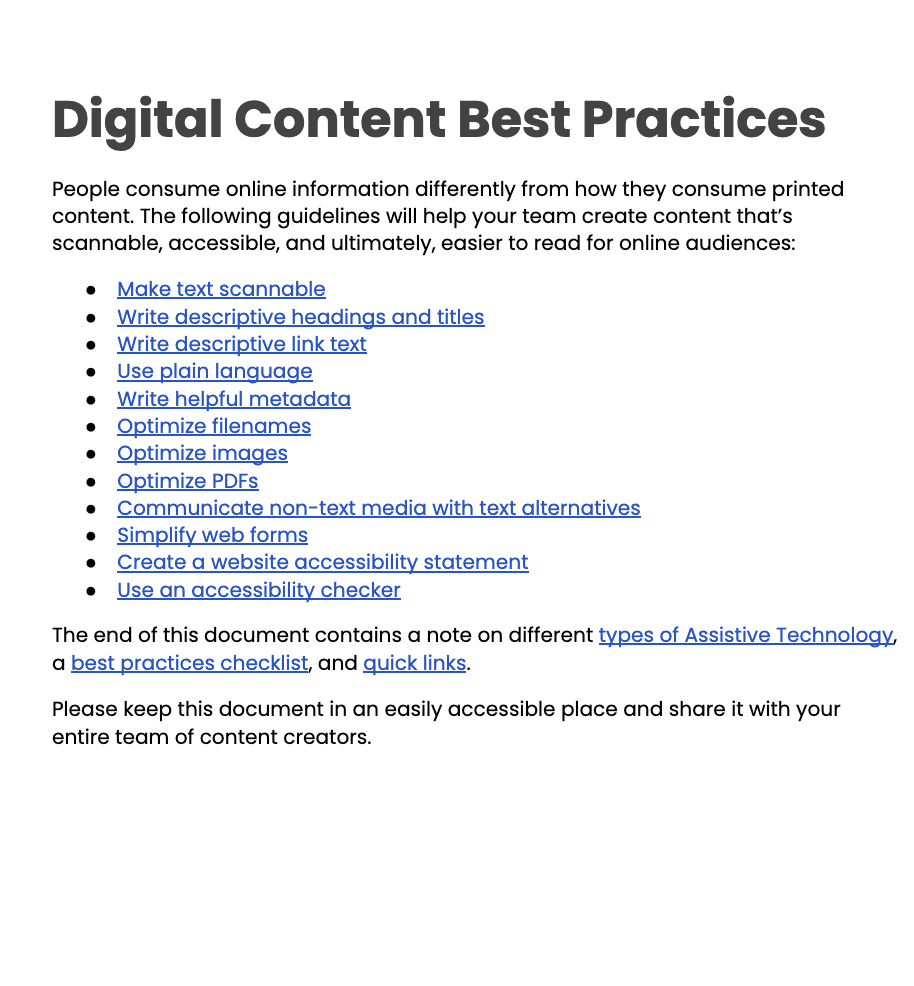
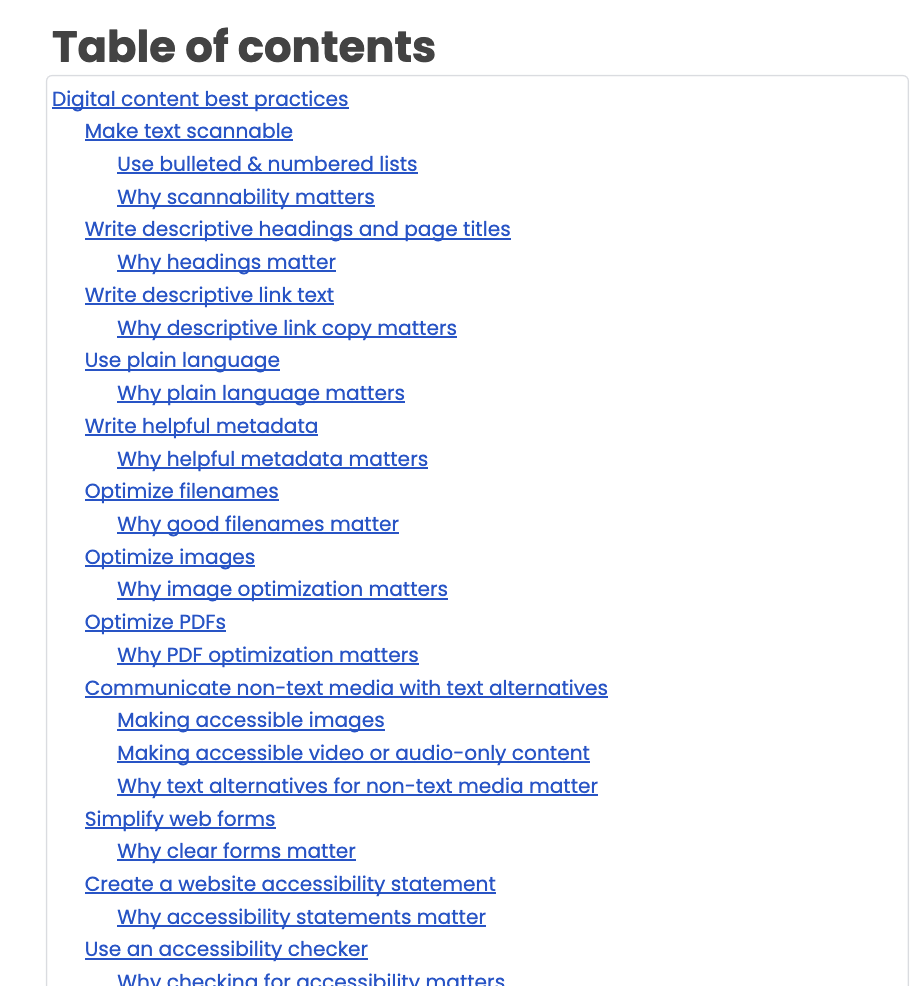
Effective content governance is essential for large, complex organizations where content is created and managed by many teams, departments, and stakeholders with different priorities, processes, and levels of digital maturity. Establishing a successful governance model requires more than defining rules and workflows—it requires creating a shared understanding of content ownership, quality standards, decision-making processes, and the role content plays in supporting user needs. In highly distributed organizations, the path to strong governance is rarely achieved through a single transformation; instead, it requires a practical, laddered approach that meets teams where they are and provides a clear path toward a more mature operating model.
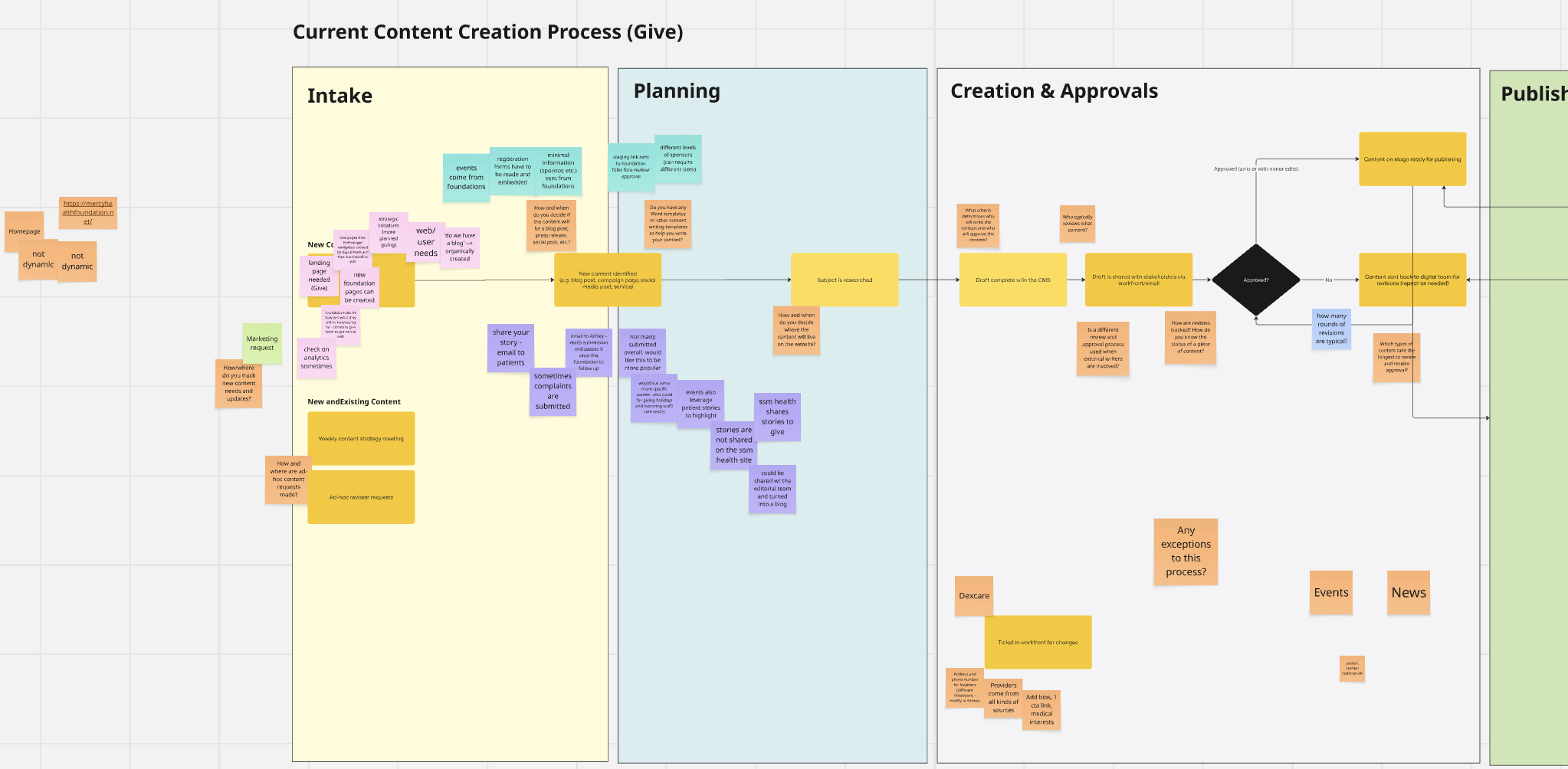
Walking stakeholders through the content process helps identify pain points, and often requires participants to articulate their problems for the first time. During a project, I am to balance immediate improvements with long-term strategic goals by introducing achievable practices over time, such as content standards, review processes, roles and responsibilities, and measurement frameworks. Working with complex stakeholder groups requires careful facilitation and collaboration, particularly when teams have established ways of working or competing perspectives on how content should be managed. By grounding governance decisions in user needs, organizational goals, and evidence-based practices, content teams can move beyond individual preferences and build a sustainable framework that supports consistency, accessibility, scalability, and continuous improvement.
All clients I work with have required some sort of governance consultation, whether they knew it at the beginning of the engagement or not. Some large clients, such as The City of Edmonton, The Government of Manitoba, and Royal Roads University have hired new team members to help implement the recommendation.
Improving content, one label at a time.
I work with complex organizations to improve their digital experiences by establishing practical web content best practices grounded in UX writing, content design, and user needs. Through training, documentation, and tailored guidance, I help teams build the skills and confidence needed to create clearer, more accessible, and more effective content.
By partnering with stakeholders across different roles and levels of digital maturity, I translate strategy into actionable tools, standards, and workflows that support consistent content creation and long-term improvement.